
Building Stronger Relationships: How Couples Therapy Can Help Couples Communicate Better
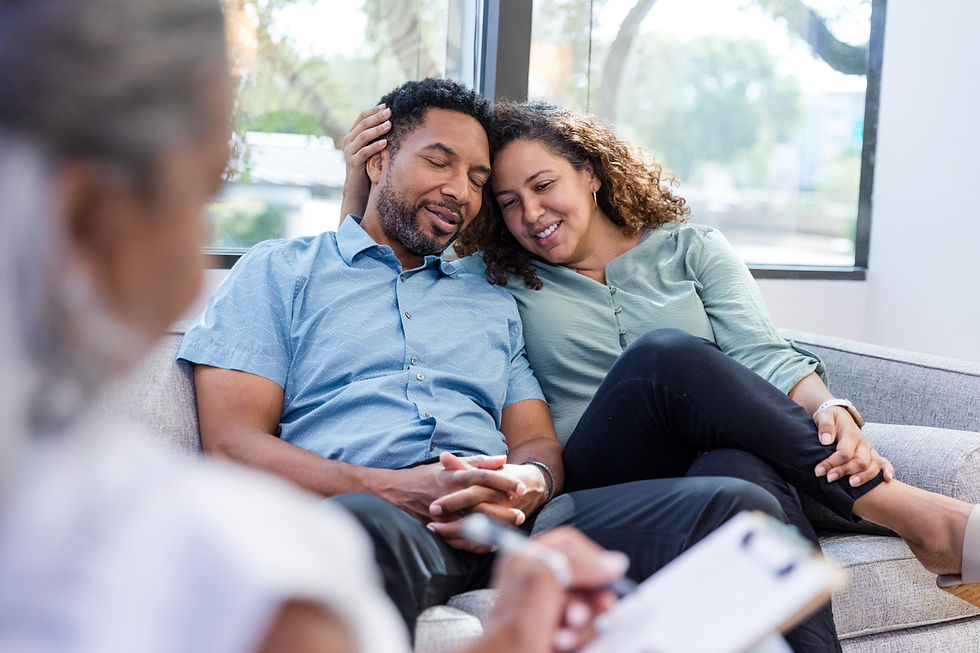
Communication is one of the foundations of a healthy relationship. Couples may care deeply about one another and still struggle to communicate when emotions run high. A simple disagreement can quickly turn into defensiveness, frustration, silence, or an argument that feels like it is about much more than the original issue.
For couples experiencing these challenges, couples therapy in Raleigh, NC can provide a supportive space to slow down, understand recurring patterns, and learn how to communicate more effectively.
Therapy isn't about deciding who is right or wrong. Instead, it can help couples better understand each other's perspectives, express their needs, and develop healthier ways of responding to conflict.
At Birch Therapy, the practice emphasizes connection, stronger relationships, emotional wellness, and collaborative support. Its team includes clinicians with training in relationship-focused approaches, including Emotionally Focused Therapy for couples and the Gottman Method Couples Therapy.
Why Communication Can Become Difficult in a Relationship
Most couples don't intentionally set out to communicate poorly. Communication patterns often develop gradually.
One partner may become frustrated because they feel unheard. The other may feel criticized and become defensive. One person may try to solve the problem immediately, while the other needs time to process emotions.
Before long, the conversation can become less about solving the original issue and more about protecting each person's feelings.
Common communication challenges can include:
Interrupting or talking over one another
Becoming defensive during disagreements
Avoiding difficult conversations
Struggling to express emotional needs
Assuming what a partner is thinking or feeling
Bringing up past conflicts during current disagreements
Feeling unheard or misunderstood
Shutting down during conflict
Repeating the same argument without resolution
These patterns don't necessarily mean a relationship is unhealthy or failing. They may simply indicate that a couple has fallen into communication habits that aren't working anymore.
Recognizing those patterns is often the first step toward changing them.
How Couples Therapy Can Improve Communication
One of the benefits of couples counseling in Raleigh, NC is having a neutral environment where both partners can communicate without feeling like they have to “win” the conversation.
A therapist can help couples slow down interactions and identify what is happening underneath an argument.
For example, a disagreement about household responsibilities may actually involve one partner feeling unsupported while the other feels unappreciated.
Understanding the emotions beneath the conflict can change the conversation from:
“You never help me.”
to:
“I'm feeling overwhelmed and I need to know that we're sharing this responsibility.”
That difference matters.
Therapy can help couples practice expressing concerns more clearly while also learning how to listen without immediately becoming defensive.
Learning to Listen, Not Just Respond
Good communication involves more than finding the right words. It also requires listening.
When couples are caught in a recurring conflict, they may listen primarily to prepare their response. They may be thinking about what they want to say next instead of fully hearing what their partner is trying to communicate.
Therapy can create opportunities to practice a different approach.
This may involve:
Listening without immediately interrupting
Reflecting back what you heard
Asking questions before making assumptions
Identifying emotions beneath frustration
Expressing needs directly
Taking responsibility when appropriate
Learning when to pause and return to a difficult conversation
The goal isn't perfect communication. Every couple will experience misunderstandings.
The goal is developing enough trust and communication skills to work through those moments together.
Understanding the Patterns Behind Conflict
Sometimes couples focus heavily on the topic of an argument without recognizing the larger pattern.
Maybe one partner repeatedly pursues a conversation while the other withdraws. Maybe one person becomes increasingly critical when they feel ignored, while the other shuts down because they feel overwhelmed.
These patterns can reinforce themselves. The more one person pursues, the more the other withdraws. The more one withdraws, the more the other may pursue.
Marriage therapy in Raleigh, NC can help couples recognize these cycles and understand what each partner is experiencing within them.
Rather than simply asking, “How do we stop arguing?” therapy can explore questions such as:
What happens right before conflict escalates?
What does each person need during difficult conversations?
What emotions are underneath the disagreement?
How do each partner's responses affect the other?
What patterns keep repeating?
What would a healthier interaction look like?
Understanding the cycle can make it easier for couples to work on the problem together instead of seeing each other as the problem.
What Issues Can Couples Address in Therapy?
Couples don't have to be on the verge of separation to benefit from therapy.
Relationship therapy in Raleigh, NC can support couples who want to strengthen their relationship, improve communication, or work through specific challenges.
Depending on the couple's needs, therapy may address:
Communication difficulties
Recurring arguments
Emotional disconnection
Trust concerns
Major life transitions
Differences in expectations
Boundaries
Family-of-origin patterns
Parenting and family concerns
Difficulty expressing needs
Relationship uncertainty
Intimacy and connection
Unresolved conflict
Some couples seek therapy because they are experiencing a significant problem. Others simply want to strengthen an already healthy relationship.
Both are valid reasons to seek support.
What to Expect From Couples Therapy
Starting therapy can feel intimidating, particularly when both partners aren't sure what to expect.
A couples therapy session isn't simply a place where each person lists everything their partner is doing wrong.
Instead, therapy can provide a structured environment for understanding the relationship and identifying patterns that may be contributing to conflict.
The therapist may ask questions about your relationship history, current concerns, communication habits, and goals for therapy. From there, treatment can be tailored to the couple.
Birch Therapy describes its overall approach as collaborative and focused on helping clients feel understood while developing meaningful change. Its broader practice also emphasizes strengthening relationships, expressing needs, setting boundaries, and building connections.
For couples specifically, clinicians at Birch Therapy may draw on relationship-focused approaches such as EFT and the Gottman Method, depending on the therapist and the couple's needs.

When Should Couples Consider Therapy?
There is no single point when couples “should” start therapy.
Some couples wait until conflict has become severe. Others recognize earlier that they're having the same arguments repeatedly and want to address the pattern before it becomes more difficult to change.
Consider seeking professional support if:
You keep having the same arguments
Conversations regularly turn into conflict
One or both partners feel unheard
You avoid important conversations
Emotional connection has decreased
You struggle to express your needs
Conflict is affecting other areas of your life
You're having difficulty navigating a major transition
You want to strengthen your relationship before problems become larger
Seeking therapy doesn't mean your relationship is broken.
It can simply mean that both partners recognize the relationship is important enough to invest in.
Strengthening a Long-Term Relationship
Long-term relationships naturally change.
Couples may move through marriage, parenthood, career changes, financial stress, family responsibilities, relocations, and other major transitions. The communication strategies that worked earlier in the relationship may not always work as circumstances change.
That is why relationship maintenance can be just as important as addressing problems.
Therapy can give couples an opportunity to reconnect, reassess their needs, and make
intentional changes to how they communicate.
Sometimes strengthening a relationship isn't about making dramatic changes. It can be about learning to have difficult conversations with more patience, expressing appreciation more often, listening more carefully, or understanding what your partner needs during stressful moments.
Building a More Connected Relationship
Healthy communication doesn't mean that couples never disagree.
Disagreements are a normal part of relationships. What matters is how couples handle those disagreements and whether they can continue to feel connected while working through them.
Couples therapy in Raleigh, NC can provide a space to understand communication patterns, work through recurring challenges, and build healthier ways of relating to one another.
At Birch Therapy, relationship-focused care is part of a broader commitment to emotional wellness and stronger family connections. With a collaborative approach and clinicians who bring specialized training to their work, the practice can help clients explore meaningful changes in their relationships.
If you're considering therapy, you don't have to wait until your relationship reaches a breaking point. Sometimes, asking for support is simply a way of choosing to invest in the relationship you want to build together.
Frequently Asked Questions
When should couples consider therapy?
Couples can consider therapy when communication has become difficult, arguments are repeating, emotional connection has decreased, or they are struggling with a major life transition. Therapy can also be useful for couples who simply want to strengthen an already healthy relationship.
Can couples therapy help improve communication?
Yes. Couples therapy can help partners identify unhelpful communication patterns, express their needs more clearly, listen more effectively, and understand the emotions behind recurring conflicts. The goal is to help couples develop healthier ways of communicating rather than simply avoiding disagreement.
What issues can couples address in therapy?
Couples may address communication difficulties, recurring conflict, emotional disconnection, trust concerns, boundaries, family-of-origin patterns, parenting concerns, major life transitions, and other relationship challenges. The focus of therapy will depend on the couple's individual needs and goals.
What can couples expect during a therapy session?
A session may involve discussing relationship concerns, identifying recurring patterns, exploring each partner's perspective, and practicing healthier ways of communicating. The therapist works collaboratively with the couple to understand their goals and determine an appropriate approach.
Can couples therapy help strengthen a long-term relationship?
Yes. Couples therapy isn't only for relationships experiencing serious conflict. It can help long-term partners improve communication, reconnect emotionally, navigate life changes, and become more intentional about maintaining their relationship.
Comments